What is DMSO?
1.1 Introduction to DMSO
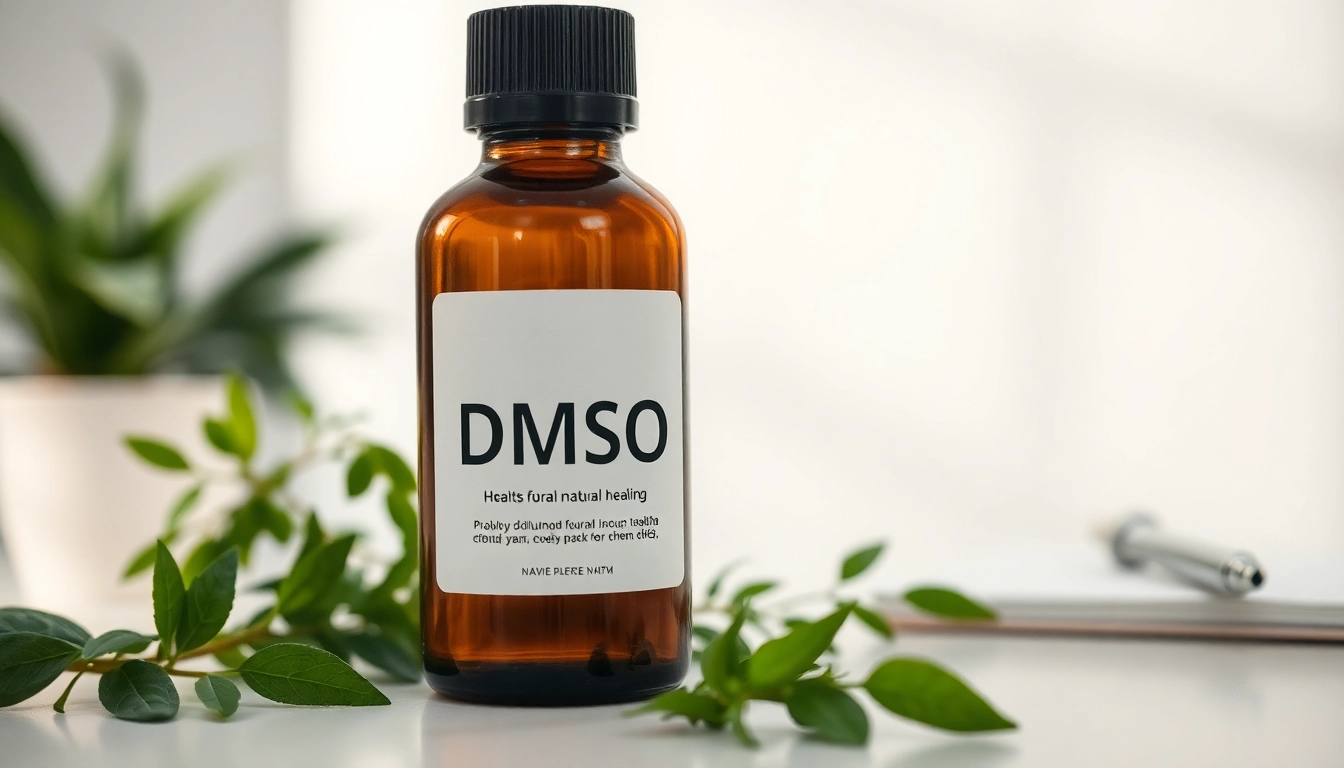
Dimethyl sulfoxide (DMSO) is a powerful organic solvent known for its anti-inflammatory and pain-relieving properties. Originally derived from lignin, a natural polymer in trees, DMSO has found its way into various therapeutic applications due to its unique ability to penetrate biological membranes. Its global use spans veterinary medicine, dermatology, and the treatment of chronic pain conditions. Recently, interest has surged among health enthusiasts regarding the potential benefits of drinking dmso, leading to a re-examination of its properties and potential. In this article, we delve deep into what DMSO is, exploring its chemical properties, historical significance, and the recent surge in personal interest.
1.2 Chemical Properties and Structure
DMSO is a sulfoxide, which is a type of organosulfur compound. Its chemical formula is (CH3)2SO, indicating its composition of dimethyl groups and a sulfoxide functional group. This unique structure contributes to its polarity and solubility, allowing it to solvate various compounds, including polar and ionic substances. DMSO can rapidly penetrate the skin, making it an effective vehicle for drug delivery, and its ability to dissolve many organic and inorganic materials enhances its versatility in laboratory and clinical settings.
1.3 Historical Uses in Medicine
The history of DMSO in medicine dates back to the 1960s when it was investigated as a potential treatment for various conditions, including arthritis and cancer. Initially, its use was driven by anecdotal reports of efficacy in relieving pain and inflammation, as well as improving mobility in patients with chronic conditions. Despite early enthusiasm, the FDA approved DMSO for only one specific medical condition, interstitial cystitis, primarily due to concerns about the lack of extensive research and potential side effects. However, ongoing studies continue to evaluate DMSO’s broader applicability.
The Benefits of Drinking DMSO
2.1 Pain Relief and Inflammation
Research has shown that one of the prominent benefits of drinking DMSO is its potential to alleviate pain associated with a variety of conditions, such as arthritis, fibromyalgia, and sports injuries. DMSO acts by blocking pain signals sent by affected areas to the brain, thereby providing relief not just locally but also systemically when ingested. Clinical studies on animals have demonstrated significant reductions in inflammatory markers after DMSO administration, indicating its role as a potent anti-inflammatory agent. While more human trials are needed, anecdotal evidence suggests substantial individual benefits.
2.2 Antioxidant Properties
Antioxidants play a crucial role in neutralizing free radicals, which are known to cause cellular damage and contribute to a variety of diseases. DMSO has been found to exhibit antioxidant properties, helping to combat oxidative stress within the body. This means that, in addition to its inflammation-fighting capabilities, drinking DMSO may support overall health by reducing oxidative damage, thus contributing to a lower risk of chronic diseases. Some research indicates that DMSO may also enhance cellular repair processes and immune responses, thereby promoting quicker recovery from illnesses.
2.3 Potential Immunomodulatory Effects
DMSO is also believed to modulate the immune system. A substantial part of its appeal lies in its potential to enhance immune responses, particularly in cases where the immune system is underperforming. Studies have suggested that DMSO can promote the activity of immune cells, potentially leading to better outcomes in individuals with compromised immune systems. However, while preliminary results are promising, further research is essential to fully understand its impact on immune modulation and to establish standardized treatment protocols for safe consumption.
How to Use DMSO Safely
3.1 Recommended Dosage
The appropriate dosage of DMSO can vary based on individual needs, health conditions, and the form of ingestion. As a general guideline, low dosages (around 10-30% solutions for topical use) are often suggested for beginners. For oral consumption, consulting with a healthcare professional for tailored advice is crucial, as most guidelines recommend starting at conservative doses to assess tolerance. Importantly, DMSO should always be used in pharmaceutical grade to ensure safety and quality.
3.2 Best Practices for Consumption
When considering drinking DMSO, it is important to adhere to several best practices to maximize benefits and minimize risks. Always use pharmaceutical-grade DMSO as impurities in industrial-grade products can cause serious harm. Moreover, thoroughly reading the product label and engaging with a healthcare provider is essential to understand how DMSO may interact with any pre-existing medications or conditions. Ensure that you mix DMSO with water or another safe liquid to dilute potential irritants while ingesting it. Additionally, start with small doses to monitor for adverse reactions.
3.3 Precautions and Possible Side Effects
While many individuals report positive experiences with DMSO, there are potential side effects to be aware of. Common reactions include skin irritation, a garlic-like taste in the mouth, and gastrointestinal disturbances when taken orally. Most serious concerns arise from the solvent's ability to carry impurities from the skin or digestive tract into the bloodstream. Therefore, always consult healthcare professionals before starting DMSO, especially if pregnant, nursing, or taking other medications, to identify any contraindications associated with its use.
Comparative Effectiveness
4.1 DMSO vs. Other Pain Relief Methods
When comparing DMSO with traditional pain relief methods, including over-the-counter NSAIDs (non-steroidal anti-inflammatory drugs), DMSO offers unique advantages. While common pain relievers address symptoms temporarily, DMSO's potential anti-inflammatory effects may provide deeper relief. Moreover, its solvent properties allow for potential drug delivery via transdermal pathways, which some treatments lack. Evaluating efficacy requires thorough clinical trials, yet preliminary evidence positions DMSO as a compelling adjunct in pain management protocols.
4.2 Research Findings on DMSO Use
Numerous studies have highlighted the multifaceted benefits of DMSO, particularly in its role in sports medicine and recovery from injuries. Research shows that athletes who use DMSO pre- and post-exercise report less soreness and faster healing times. Additionally, DMSO's application in animal medicine has yielded positive outcomes, stimulating interest in translating these findings to human applications. Future studies are essential to gain a comprehensive understanding of DMSO across various settings.
4.3 Testimonials and User Experiences
Personal testimonials from individuals who integrate DMSO into their wellness regimens often highlight significant improvements in quality of life. Users commonly note reductions in chronic pain and improved mobility, especially in conditions like arthritis. While testimonials vary, they collectively paint a picture of DMSO as a tool for enhancing wellness when used judiciously. However, individual experiences can vary widely, necessitating caution and personalized approaches to treatment.
FAQs about Benefits of Drinking DMSO
5.1 What are the key benefits of drinking DMSO?
The key benefits of drinking DMSO include pain relief, reduced inflammation, antioxidant properties, and potential immune system modulation. Individuals have reported improved recovery from injuries and chronic pain conditions.
5.2 Can DMSO interact with medications?
Yes, DMSO can interact with various medications, especially when taken simultaneously. It's crucial to consult a healthcare professional prior to combining DMSO with other treatments to avoid adverse effects.
5.3 Is DMSO safe for everyone?
Although many people use DMSO safely, it may not be suitable for everyone. Pregnant or nursing individuals, as well as those with certain medical conditions, should consult a healthcare provider first.
5.4 How does DMSO compare to over-the-counter options?
DMSO may provide deeper relief compared to typical over-the-counter painkillers as it could address inflammation at a cellular level. However, it should be used with caution and under professional guidance.
5.5 Are there any contraindications for DMSO use?
Contraindications for DMSO include concurrent use of certain medications or conditions that affect kidney or liver function. Always consult with a healthcare professional to evaluate individual risks.