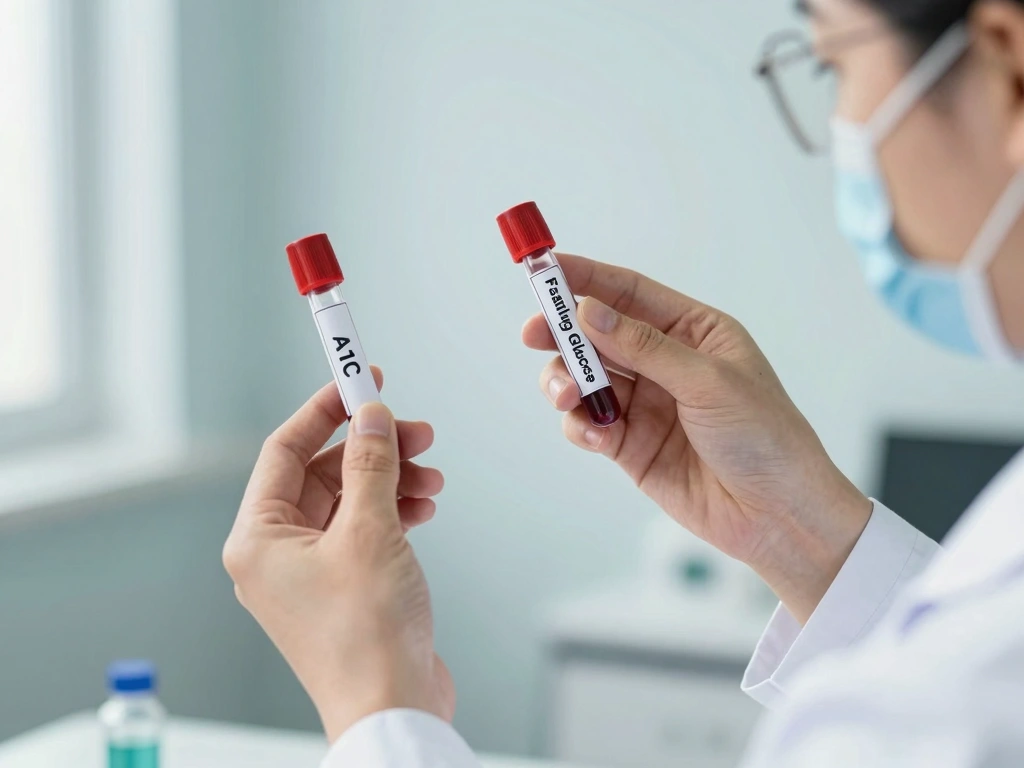
Understanding Swiss Chems Peptides
In the rapidly evolving landscape of research and biotechnology, Swiss Chems peptides have gained prominence for their quality and potential applications. As researchers and laboratories seek novel compounds for various studies—from drug development to therapeutic uses—understanding the importance of sourcing high-quality peptides becomes crucial. When exploring options, Swiss Chems peptides provide comprehensive insights into reliable research materials that can drive innovative discoveries.
What Are Swiss Chems Peptides?
Swiss Chems peptides are synthetic compounds that mimic the functions of naturally occurring peptides in the body. These short chains of amino acids play pivotal roles in biochemical processes, including hormone regulation, immune response, and cellular regeneration. What sets Swiss Chems peptides apart is their commitment to purity and quality, ensuring that researchers have access to high-grade materials for experimental purposes.
Benefits of Using Swiss Chems Peptides in Research
The use of Swiss Chems peptides in research offers several advantages:
- Enhanced Purity: Swiss Chems emphasizes independent testing and certification, ensuring that their products are free from contaminants.
- Research Versatility: These peptides are suitable for a range of studies, from therapeutic applications to laboratory experiments.
- Ethical Sourcing: Swiss Chems promotes transparency in sourcing materials, which is vital for researchers focused on ethical practices.
Key Characteristics of Quality Peptides
When evaluating the quality of peptides, consider the following characteristics:
- Purity Levels: High-quality peptides should have a purity level of 95% or higher.
- Accurate Synthesis: Reliable vendors utilize advanced synthesis methods to create peptides that closely match their theoretical structures.
- Comprehensive Testing: Look for peptides that have undergone rigorous testing for efficacy and safety.
Choosing the Right Swiss Chems Peptides
Selecting the appropriate peptides is essential for achieving desired research outcomes. Understanding the variety available and what each type offers can guide researchers in making informed decisions.
Popular Types of Swiss Chems Peptides
Among the popular Swiss Chems peptides, several have gained traction due to their specific applications:
- BPC-157: Known for its regenerative properties, it is commonly researched for healing and recovery.
- Ipamorelin: A growth hormone secretagogue that exhibits potential benefits in muscle growth and recovery.
- TB-500: Often utilized for its capacity to promote healing and reduce inflammation.
Factors to Consider When Selecting Peptides
When choosing the right Swiss Chems peptides, consider the following factors:
- Research Goals: Align the peptide selection with your specific research objectives.
- Compatibility: Ensure the peptide is compatible with your experimental methodologies.
- Vendor Reputation: Source peptides from reputable vendors like Swiss Chems to guarantee quality and reliability.
Common Misconceptions About Peptide Quality
There are many misconceptions around peptide quality that researchers should be aware of:
- All Peptides Are Equal: Not all peptides are produced under the same standards; understanding sourcing and quality is key.
- Higher Price Equals Better Quality: Price does not always reflect the quality of peptides; thorough research is necessary.
- Natural is Always Better: While natural peptides can be beneficial, synthetic peptides can offer tailored solutions for specific research needs.
Research Techniques with Swiss Chems Peptides
When it comes to utilizing Swiss Chems peptides in laboratory settings, employing effective research techniques is paramount for achieving reliable results.
Effective Methods for Peptide Analysis
To ensure accurate analysis of peptides, researchers can adopt the following methods:
- Mass Spectrometry: This technique offers precise measurements of peptide mass, aiding in the identification of peptide structure.
- High-Performance Liquid Chromatography (HPLC): HPLC serves as an essential method for assessing peptide purity and separating components.
- Western Blotting: Useful for detecting specific peptides within complex mixtures, aiding in functional analysis.
Protocols for Safe Handling of Peptides
Handling peptides safely is critical for laboratory researchers. Here are recommended protocols:
- Personal Protective Equipment (PPE): Always wear appropriate PPE, including gloves and lab coats, when handling peptides.
- Storage Conditions: Store peptides at recommended temperatures and conditions to maintain stability and effectiveness.
- Waste Disposal: Follow proper waste disposal protocols to prevent contamination or environmental harm.
Case Studies: Successful Applications in Research
Exploring successful applications of Swiss Chems peptides can provide valuable insights:
- Wound Healing Studies: BPC-157 has been widely researched for its efficacy in accelerating wound healing in various models.
- Muscle Recovery Research: Ipamorelin has been documented to improve recovery times and enhance muscle regeneration in athletic contexts.
Evaluating Swiss Chems Peptides Vendors
As the market for peptides grows, evaluating vendors is essential for ensuring quality and reliability in procurement.
Identifying Trusted Suppliers
When searching for reputable suppliers, researchers should consider the following:
- Reputation: Look for suppliers with positive reviews and a strong track record in the peptide industry.
- Transparency: Trustworthy vendors provide clear information about sourcing and manufacturing processes.
- Certification: Choose suppliers that offer certifications for purity and quality control.
Reviewing Customer Feedback and Reviews
Analyzing customer feedback can help gauge the reliability of peptide vendors:
- Online Reviews: Checking third-party review sites can offer insights into the experiences of other researchers.
- Community Engagement: Engaging with research communities or forums can provide anecdotal evidence regarding vendor reliability.
Regulatory Considerations and Certification
Ensuring that a peptide vendor complies with regulatory standards is crucial for safe and legal research:
- FDA Regulations: Understanding the FDA’s position on peptide sales and usage is essential for compliance.
- Good Manufacturing Practices (GMP): Verify that suppliers adhere to GMP standards for peptide production.
Future Trends in Peptide Research
The field of peptide research is dynamic, and several emerging trends are likely to shape its future:
Emerging Technologies in Peptide Development
Recent advancements in technology have opened new avenues for peptide development:
- AI in Drug Discovery: Artificial intelligence is increasingly being used to predict peptide interactions and enhance the design process.
- Bioinformatics: Bioinformatics tools are vital for analyzing peptide sequences and improving synthesis methods.
Predictions for Swiss Chems Peptides in the Next Five Years
Looking ahead, Swiss Chems peptides are expected to play a significant role in several scientific advancements:
- Personalized Medicine: The growth of personalized medicine will drive demand for tailored peptides that address individual patient needs.
- Innovative Applications: Continued exploration in areas such as immunotherapy and regenerative medicine could lead to novel peptide applications.
Integrating Peptide Research with Other Scientific Disciplines
Cross-disciplinary collaboration will further enhance peptide research:
- Pharmaceutical Collaborations: Partnerships with pharmaceutical companies can accelerate the pace of peptide-based drug development.
- Biotechnology Innovations: Innovations in biotechnology will enable new methods for peptide production and application.
What Are the Benefits of Using Swiss Chems Peptides?
The benefits of utilizing Swiss Chems peptides include:
- Access to High-Quality Materials: Researchers can trust the quality and reliability of Swiss Chems products.
- Versatile Applications: The range of available peptides allows for diverse research applications across various fields.
Is SwissChems Trustworthy for Peptide Purchases?
SwissChems has established a reputation for reliability and quality in the peptide market, making it a trustworthy choice for researchers. Their commitment to transparency and rigorous testing underscores their credibility.
How to Store Swiss Chems Peptides Safely?
To maintain the integrity of Swiss Chems peptides, follow these storage guidelines:
- Temperature Control: Store peptides in a cool, dry place, typically in the refrigerator at 4°C.
- Airtight Containers: Use airtight containers to prevent moisture absorption.
- Labeling: Clearly label all containers with pertinent information, including expiration dates.
Can I Mix Different Peptides from Swiss Chems?
Mixing different peptides from Swiss Chems can be effective, provided that you understand their compatibility and the desired outcomes. Always refer to research literature for compatibility and interaction studies before combining peptides.
Where Do Swiss Chems Peptides Ship From?
Swiss Chems peptides are typically shipped from their certified facilities, ensuring quality control throughout the shipping process. Understanding the origin of peptides can provide insights into their handling and storage life.