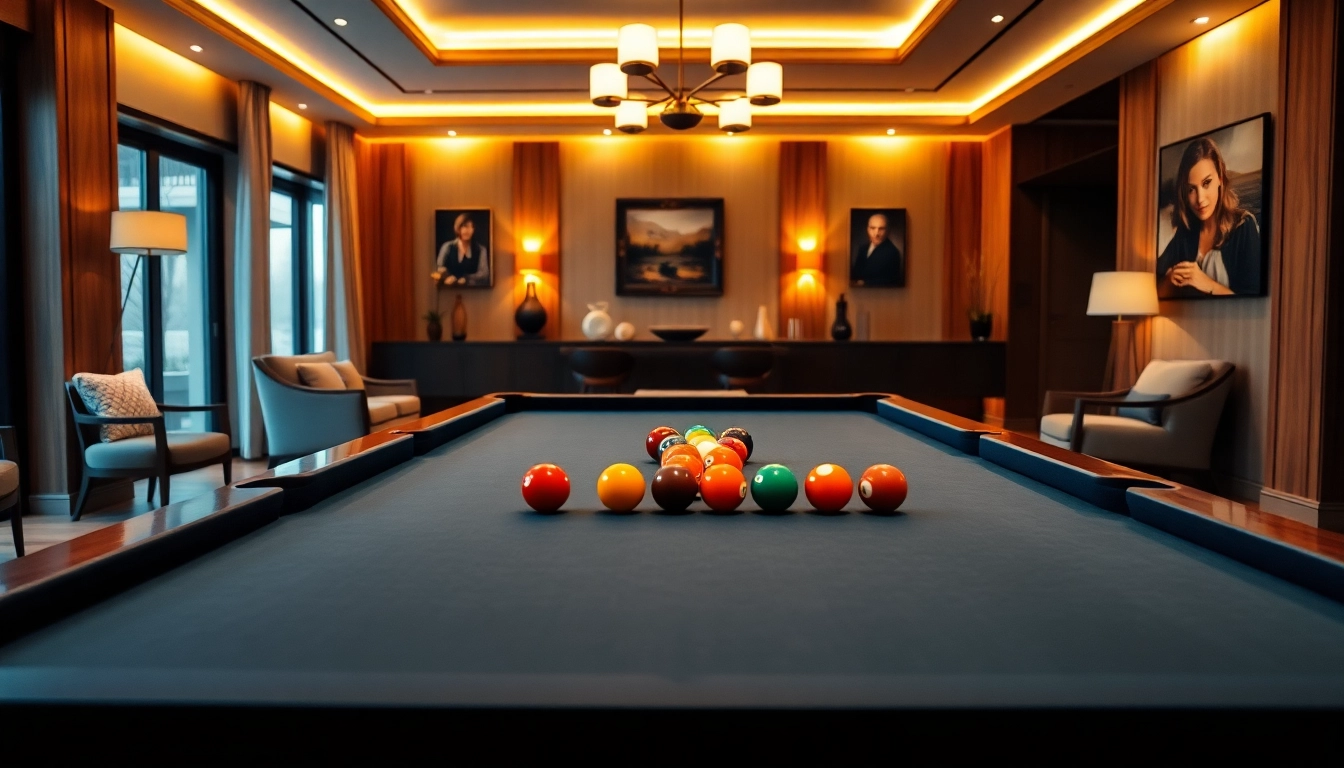
Understanding the Value of Buying Pool Tables
Owning a pool table is more than just having a place to enjoy a game or two; it’s about enhancing the overall experience of your home or game room. With the right knowledge and research, you can Buy Pool Tables that not only fit your space and budget but also elevate your leisure activities. Let’s delve into the benefits, essential features, and price factors that come with purchasing a pool table.
The Benefits of Owning a Pool Table at Home
Having a pool table at home offers numerous advantages:
- Entertainment: It provides hours of fun for family and friends, improving social interactions and making gatherings more enjoyable.
- Skill Development: Regular play helps enhance skills such as hand-eye coordination, strategy, and concentration.
- Aesthetics: A well-designed pool table acts as a centerpiece in recreation rooms, adding to the room's overall decor.
- Value Addition: Quality pool tables can increase the resale value of your home, making them a worthwhile investment.
Key Features to Look for When You Buy Pool Tables
When considering a pool table, focus on these essential features:
- Size: Choose a size that fits your space and meets your gameplay needs. Common sizes include 7-foot and 8-foot tables.
- Material: Tables made of solid wood or high-quality materials often offer better durability and aesthetics than particleboard options.
- Slate vs. Non-Slate: Slate surfaces provide a better playing experience, maintaining a flat surface over time compared to non-slate options.
- Cushions: Premium rubber cushions improve ball responsiveness and should maintain their integrity for years.
- Finish: A quality finish safeguards against scratches and moisture, enhancing longevity.
Factors Influencing the Price of Pool Tables
The price of pool tables can vary significantly based on several factors:
- Material Quality: Solid wood tables generally command higher prices than those made from engineered woods or metal.
- Brand Reputation: Established brands with a proven history can charge more for their tables.
- Craftsmanship: Handcrafted tables or those with intricate designs will often be more expensive.
- Size: Generally, larger tables carry higher price tags due to material and shipping costs.
- Accessories: Packages that include cues, racks, and other accessories may have a higher overall cost.
Choosing the Right Pool Table Size
Differences Between 7-Foot and 8-Foot Pool Tables
The decision of whether to choose a 7-foot or 8-foot pool table largely depends on your preferences and available space. A 7-foot table, often referred to as a 'bar size', is ideal for smaller rooms and slightly less serious play. Conversely, the 8-foot table is considered 'professional size' and offers a better overall playing experience, making it favorable for enthusiasts and those who host frequent games.
Room Space Considerations for Your Pool Table
Before purchasing a pool table, it’s crucial to measure your available space accurately. As a general rule, you’ll want a minimum of 5 feet of clearance around the table for cueing:
- For a 7-foot table, your room should ideally be at least 12 feet by 16 feet.
- For an 8-foot table, consider at least 13 feet by 17 feet.
These dimensions ensure players have ample room for moving around without feeling cramped.
Understanding Playing Surface Quality for Pool Tables
The playing surface of a pool table significantly influences gameplay. Slate is widely regarded as the best option due to its uniformity and durability. When shopping, look for tables with one-piece slate for superior quality. Two-piece slate tables are also available but may experience issues with alignment over time.
Types of Pool Tables Available in the Market
Traditional vs. Contemporary Pool Tables
Pool tables come in various styles, categorized mainly into traditional and contemporary designs. Traditional tables often feature classic details such as intricate carvings and rich wood finishes, aligning with a vintage aesthetic. In contrast, contemporary tables sport sleek, modern lines with less embellishment, making them suitable for minimalist decors.
Material Differences: Wood vs. Metal Pool Tables
One of the key decisions in buying a pool table involves material selection. Wooden tables, particularly those made of hardwood, tend to offer better durability and a more classic appearance. On the other hand, metal tables are often lighter, easier to move, and can fit a variety of modern decor schemes but may not provide the same traditional feel.
Specialty Pool Tables and Their Advantages
Specialty pool tables include unique designs such as those with built-in dining surfaces, multipurpose features, or particularly themed tables. These tables appeal to buyers looking for a unique standout piece that serves multiple functions, appealing especially to those with limited space or in entertainment-heavy environments.
Maintenance Tips for Your Pool Table
Regular Cleaning and Maintenance of Pool Tables
Proper care is essential for keeping your pool table in great playing condition:
- Dusting: Use a soft cloth to regularly remove dust from the surface.
- Cleaning: Clean the cloth with a vacuum equipped with an upholstery attachment to remove debris.
- Wiping: Use a damp cloth to wipe spills immediately to avoid staining.
Protecting Your Pool Table from Damage
Protect your investment by using a pool table cover when it’s not in use. This helps prevent scratches, moisture damage, and sun exposure. Additionally, avoid placing heavy items on the table that could warp the surface over time.
Common Repairs and When to Seek Professional Help
Be attentive to signs of wear and tear. Common issues include loose pockets or cloth wear. While minor repairs can be handled at home, consider hiring a professional for significant problems like slate warping or extensive scratches to ensure proper handling and repairs.
Frequently Asked Questions About Buying Pool Tables
What Size of Pool Table Should I Buy?
Consider room size; 8-foot tables are preferred for better play when space allows, while 7-foot tables are better for smaller areas.
How Much Should I Expect to Spend?
Quality pool tables generally range from $1,000 to $3,000, influenced by size and material quality. Consider your budget before purchasing.
Are Used Pool Tables a Good Purchase?
Yes, buying used can save you money; however, ensure it’s in good condition and check for any structural damage.
How Do I Transport a Pool Table?
It’s best to hire professional movers for transporting pool tables due to their weight and complexity in disassembly and reassembly to avoid damage.
What Accessories Do I Need When I Buy Pool Tables?
Along with the table, consider cues, chalk, rack, and covers to enhance the playing experience and protect your investment.