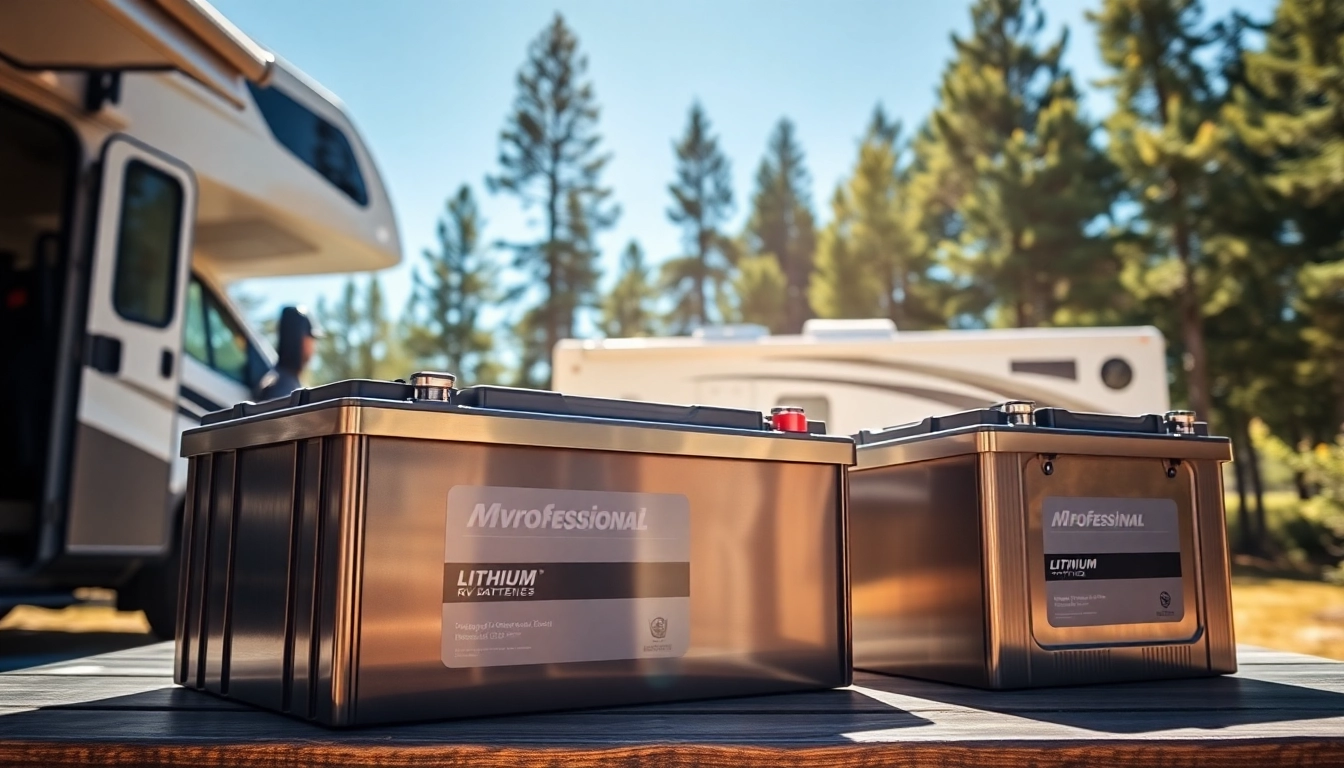
Understanding Lithium RV Batteries
For outdoor enthusiasts, the choice of power storage is crucial for enhancing the RV experience. Lithium RV batteries represent a modern alternative to traditional lead-acid batteries, offering superior performance, longevity, and efficiency. As we delve deeper into the workings of lithium batteries, their comparative advantages, and practical applications within RVs, you'll gain a comprehensive understanding that can elevate your adventures on the open road.
How Lithium Batteries Work
Lithium RV batteries utilize lithium ions to facilitate energy storage and movement within the battery cells. During the charging phase, lithium ions travel from the cathode through an electrolyte solution to the anode. When discharging, the process reverses, releasing energy. This mechanism provides higher energy density and voltage stability compared to traditional batteries.
Benefits of Lithium over Traditional Batteries
Choosing lithium batteries for your RV offers several advantages:
- Higher Energy Density: Lithium batteries can store more energy in a smaller space, making them ideal for RV applications where space is limited.
- Longer Lifespan: They typically endure 3,000-5,000 charge cycles, significantly outlasting lead-acid batteries, which often last only 500-800 cycles.
- Faster Charging: Lithium batteries can charge up to six times faster than traditional batteries, allowing for quicker turnarounds during trips.
- Lightweight: They weigh substantially less, improving vehicle efficiency and ease of installation.
Common Applications in RVs
Lithium RV batteries are used to power everything from lights and appliances to HVAC systems. Their adaptability makes them suitable for various RV types, including motorhomes, campers, and trailers. These batteries are especially beneficial for off-grid camping, providing a reliable power source away from conventional electrical grids.
Key Features of Lithium RV Batteries
Energy Density and Capacity Explained
Energy density is a measure of how much energy a battery can hold relative to its size and weight. Vatrer Power Lithium RV batteries typically have an energy density of about 150-200 Wh/kg, far superior to the 30-50 Wh/kg of lead-acid batteries. This high density allows RV owners to maximize power storage without the bulk usually associated with traditional battery systems.
Charging Techniques for Optimal Performance
Charging 12V 300Ah Lithium Battery effectively involves specific techniques that can boost their longevity and functionality:
- Use a Smart Charger: Employing a charger specifically designed for lithium batteries helps prevent over-charging and under-voltage issues.
- Monitor Temperature: Charging should preferably occur within a temperature range of 32°F to 113°F (0°C to 45°C) to ensure optimal battery performance.
- Regular Maintenance: Periodically checking connections and ensuring cleanliness can prevent efficiency losses during the charging process.
Durability and Lifespan Comparisons
The durability of lithium RV batteries is unmatched when compared to traditional counterparts. With superior resistance to extreme temperatures and vibrations common in RV travel, these batteries can withstand harsher conditions. Additionally, their lifespan can stretch between 10-15 years with proper care, while lead-acid batteries typically last only around 3-5 years.
Selecting the Right Lithium RV Batteries
Understanding Electrical Needs
To effectively select a lithium RV battery, understanding your energy requirements is paramount. Calculate your daily energy consumption based on the appliances you use and their wattage. This will guide you in determining the appropriate capacity and size for your battery. A thorough assessment can prevent situations where your battery runs out of power during crucial times.
Compatibility with Your RV
Not all RVs are equipped to handle lithium RV batteries. Make sure to check the compatibility of your RV's electrical system with lithium technology. Some systems may require modifications or additional components, including Battery Management Systems (BMS) to safely integrate new battery types.
Considering Budget and Warranty Options
Investing in lithium RV batteries may initially seem more expensive than traditional ones, but considering their longer life, lower maintenance costs, and efficiency can offset this. Additionally, look for warranties that cover defects or performance issues; a robust warranty can provide confidence in your investment.
Installation and Maintenance of Lithium RV Batteries
Tools and Equipment Needed
Installing lithium RV batteries typically requires standard tools, including:
- Wrenches and screwdrivers
- Battery cables and connectors
- A multimeter for testing voltage and connections
- Personal protective equipment (gloves and eyewear)
Installation Steps
Installation can be broken down into a few essential steps:
- Disconnect the current battery system to avoid shocks.
- Remove the old battery and make space for the new lithium unit.
- Connect the lithium RV battery, ensuring proper polarity.
- Secure the battery and check all connections.
- Test the system using a multimeter to ensure everything is operational.
Best Practices for Maintenance
Maintenance of lithium RV batteries is relatively straightforward but crucial:
- Regularly inspect battery terminals for corrosion and tightness.
- Keep the battery area clean and dry.
- Monitor battery charge levels and recharge frequently to prevent depletion.
Maximizing Performance with Lithium RV Batteries
Energy Management Tips
To get the most out of your lithium RV batteries, consider implementing the following energy management strategies:
- Utilize energy-efficient appliances.
- Leverage solar panels for additional charging capabilities.
- Monitor your daily usage to adapt consumption habits.
Upgrading Your RV Electrical Systems
When transitioning to lithium RV batteries, it may be beneficial to upgrade other electrical components. For instance, investing in a more advanced inverter or implementing a robust solar power system can improve overall energy efficiency, further enhancing your RV experience.
Real-World Performance Metrics
It's important to track the performance of your lithium RV batteries in real-world situations. Monitoring data such as charge cycles, voltage levels during various loads, and overall battery health can provide valuable insights. This analysis can help identify performance trends and inform maintenance needs.
Frequently Asked Questions
Are lithium batteries worth it for an RV?
Yes, lithium RV batteries are worth the investment, particularly for travelers seeking longer lifespans and higher usability compared to traditional lead-acid batteries. Frequent boondockers find them especially advantageous.
How long does a lithium RV battery last?
A well-maintained lithium RV battery can last between 10-15 years, significantly outpacing traditional lead-acid batteries, which typically last for only 3-5 years.
Can I use a regular charger for lithium batteries?
No, it is essential to use a smart charger specifically designed for lithium batteries. Regular chargers cannot deliver the right charging profile and can damage the lithium battery.
What size battery do I need for my RV?
Your battery size will depend on your daily energy requirements. Calculate your total watt-hours consumed daily to select a battery capacity that meets your needs. Consult a battery sizing guide for specifics.
How do I maintain my lithium RV battery?
Regular maintenance includes checking terminal connections, ensuring cleanliness, and monitoring charge levels. Avoid deep discharges and aim to maintain a charge level between 20% and 100% for optimal health.