The Unique Geography of Clarksburg AVA
Understanding the Landscape
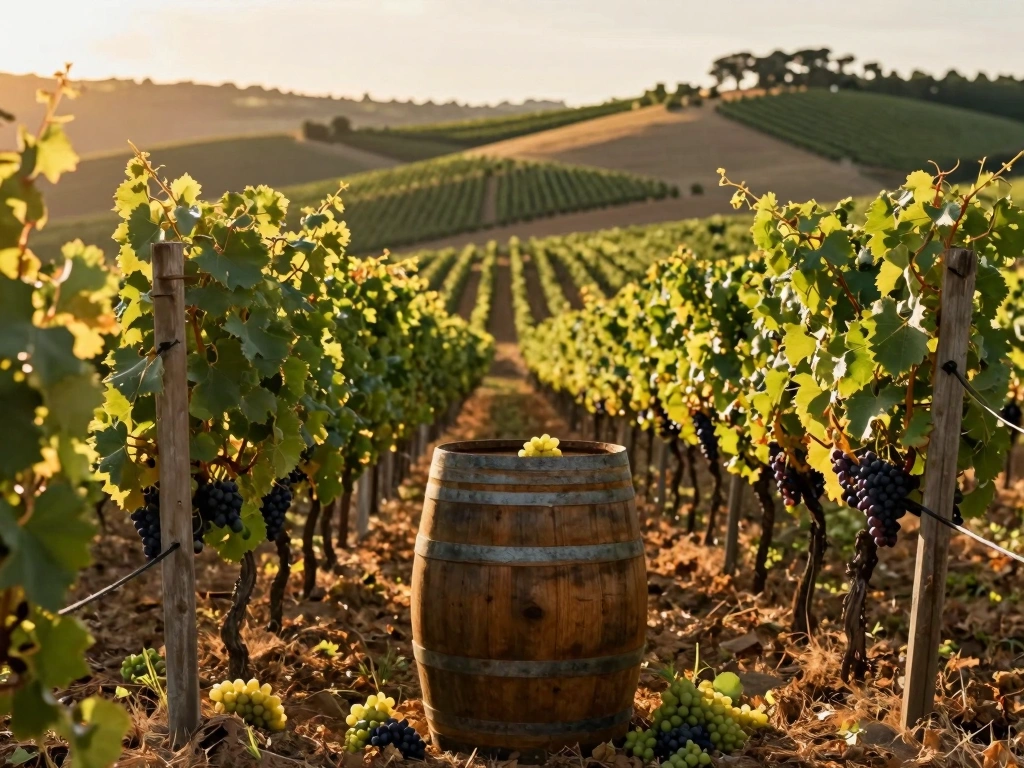
The Clarksburg American Viticultural Area (AVA) is a hidden gem located within California's Central Valley, renowned for its picturesque vineyards and the fertile lands that contribute to its distinctive wines. This region is cradled between the Sacramento River and its tributaries, creating a unique ecosystem that supports diverse grape growing. The gentle rolling hills are interspersed with water bodies, which reflect the sun and mitigate temperature extremes, making it a prime locale for clarksburg AVA grape growers to cultivate premium varietals. The geographical positioning of Clarksburg not only provides a nurturing environment for grapes but also creates scenic views that attract tourists and wine enthusiasts alike.
Climate's Influence on Grapes
The Clarksburg AVA enjoys a Mediterranean climate characterized by hot, dry summers and mild, wet winters. This climatic condition is essential in producing quality grapes, as the warm summer days allow for optimal ripening while the cool nights help retain acidity and balance in the grapes. The influence of the Delta breeze acts as a cooling factor during the hottest months, preventing heat stress and prolonging the growing season. The consistent weather patterns enable grape growers to experiment with various varietals and contribute to the distinct flavor profiles of the wines produced in this region.
Soil Types and Their Benefits
The soil composition in Clarksburg is diverse, comprising loam, clay, and sandy soils that provide excellent drainage and nutrient availability. The alluvial soils, rich in minerals, are particularly beneficial for vine growth, allowing the roots to penetrate deep into the ground and access water and nutrients more efficiently. Such well-draining soils help prevent overwatering and root diseases, which contributes to the vibrant health of the vines and the eventual quality of the wines. This geological diversity not only supports existing grape varietals but also opens the doors for innovative planting of less common grapes.
History of Clarksburg AVA Grape Growers
Establishment of the AVA
Clarksburg was officially designated as an AVA in 1985, marking a pivotal moment in the region's viticultural history. This classification recognized the area's unique geography and climate as being distinctively suitable for grape growing. The establishment of the AVA propelled local grape growers into a burgeoning wine industry while also fostering a sense of community among them. This designation serves not only as a marketing tool but also as a commitment to maintaining high-quality production standards established by the initial grape growers.
Key Historical Figures in Viticulture
Throughout the history of Clarksburg, several notable figures have played crucial roles in developing its wine culture. These pioneers sought to refine grape cultivation methods and introduce new varietals to the region. They laid the foundation for modern viticulture practices while also ensuring that local traditions and values were upheld. Their collective efforts transformed Clarksburg into a respected wine-producing territory, fostering a rich community deeply invested in the craft of winemaking.
Evolution Over the Years
As technology and techniques evolved, so too did the practices of grape growing in Clarksburg. The adoption of modern viticulture practices, such as precision agriculture and integrated pest management, has optimized yields while reducing environmental impact. Additionally, there has been a resurgence in demand for locally produced wines, leading to a revival among local growers. The commitment to quality and innovative practices positions Clarksburg as a contender in both regional and national wine markets.
Common Varietals Grown in Clarksburg
Chardonnay: The Signature Grape
Chardonnay is undoubtedly the flagship varietal of Clarksburg. Its versatility and adaptability to the local climate make it a favorite among growers in the region. Clarksburg's Chardonnays display a range of flavor profiles, from bright citrus and green apple to richer notes of butter and oak, depending on the vineyard's specific terroir and winemaking techniques. The region's favorable conditions offer an ideal environment for producing top-quality Chardonnays coveted by consumers and sommeliers alike.
Exploring Chenin Blanc and Merlot
Chenin Blanc, another prominent varietal in the Clarksburg AVA, benefits from the same climatic conditions that favor Chardonnay. The grape commonly produces fresh, fruity wines with balanced acidity, ideal for various styles from dry to sweet. Merlot, on the other hand, thrives in the region's loamy soils, yielding plush wines characterized by soft tannins and ripe fruit flavors. Both varietals encompass the diversity of flavor profiles that Clarksburg is known for, contributing to its popularity among local and international wine enthusiasts.
Emerging Varietals on the Rise
With the ever-evolving market and consumer preferences shifting towards unique wine experiences, Clarksburg growers are now exploring the cultivation of lesser-known varietals. Grapes like Albariño, Grenache, and Petite Sirah are starting to gain traction within Clarksburg, enhancing the region's diversity in wine offerings. These experimental varietals not only broaden the scope of wines produced but also reflect the innovation and adaptability of local grape growers in response to market demands.
Best Practices for Grape Growing
Innovative Farming Techniques
To thrive in the competitive wine market, Clarksburg grape growers have embraced innovative farming techniques. These include precision viticulture, which utilizes technology to monitor vine health, optimize irrigation, and improve crop management. By employing such advanced strategies, growers can make data-driven decisions that enhance crop yields without compromising quality. The integration of sustainable horticultural practices further enhances the vineyard's eco-friendliness, ensuring the preservation of the beautiful landscapes in Clarksburg.
Sustainable Practices Among Growers
Sustainability has become a cornerstone of grape growing in Clarksburg, as more growers adopt organic and biodynamic farming practices. By minimizing chemical inputs and enhancing biodiversity within the vineyards, growers aim to create a balanced ecosystem conducive to sustainable viticulture. These practices not only appeal to the environmentally conscious consumer but also yield healthier vines, which are better equipped to fight diseases and adapt to climatic challenges.
Challenges and Solutions in Viticulture
Despite its many advantages, grape growing in Clarksburg is not without challenges. Variable weather patterns, pests, and soil erosion pose risks to grape quality and yields. To combat these challenges, local growers have invested in research and development to find effective disease control methods, develop resilient grape varieties, and implement soil conservation techniques. Collaboration among growers, academic institutions, and agricultural agencies further enhances their ability to adapt and thrive amidst these challenges.
The Future of Clarksburg AVA Grape Growers
Market Trends and Opportunities
The wine market is perpetually evolving, and Clarksburg growers are positioning themselves to capitalize on emerging trends. As consumer preferences shift towards sustainable and locally produced wines, Clarksburg is poised to cater to this demand. Innovative marketing strategies that highlight the region's unique characteristics and commitment to quality will enhance the visibility of Clarksburg wines. By embracing these market trends, local grape growers can secure a prosperous future in the wine industry.
Impact of Climate Change
Climate change stands as a significant concern for grape growers in Clarksburg. Increased temperatures, unpredictable weather patterns, and shifting growing seasons could potentially disrupt traditional viticulture practices. To mitigate these impacts, growers are adopting adaptive management strategies, such as diversifying grape varietals and investing in climate-resilient production systems. Ongoing education and research will equip vineyards to respond proactively to climate-related challenges, ensuring long-term sustainability.
Community Efforts and Growth Strategies
The growth of Clarksburg's wine industry is closely tied to community involvement and collaboration among growers. Associations dedicated to the Clarksburg AVA promote networking, share best practices, and organize events that unite the community. By promoting local wines and educating consumers about the unique attributes of Clarksburg wines, the community fosters a sense of pride and cultivates loyalty towards locally produced products. This unified approach strengthens the regional identity and ensures sustainable growth in the future.
Frequently Asked Questions
What makes Clarksburg AVA unique?
Clarksburg AVA stands out due to its geographical location, diverse soil types, and Mediterranean climate, all conducive to high-quality wine production.
What grape varieties are primarily grown in Clarksburg?
The region is known for its Chardonnay, Chenin Blanc, and Merlot, with a growing interest in emerging varietals.
How does climate change affect grape growing in Clarksburg?
Climate change poses challenges such as increased temperatures and unpredictable weather, prompting growers to diversify varietals and adopt adaptive strategies.
Are Clarksburg wines sustainable?
Yes, many growers employ sustainable practices, including organic and biodynamic farming methods, to minimize environmental impacts.
What is the future outlook for Clarksburg AVA grape growers?
The future looks promising, with a focus on innovation, sustainability, and community partnerships catering to emerging market trends.