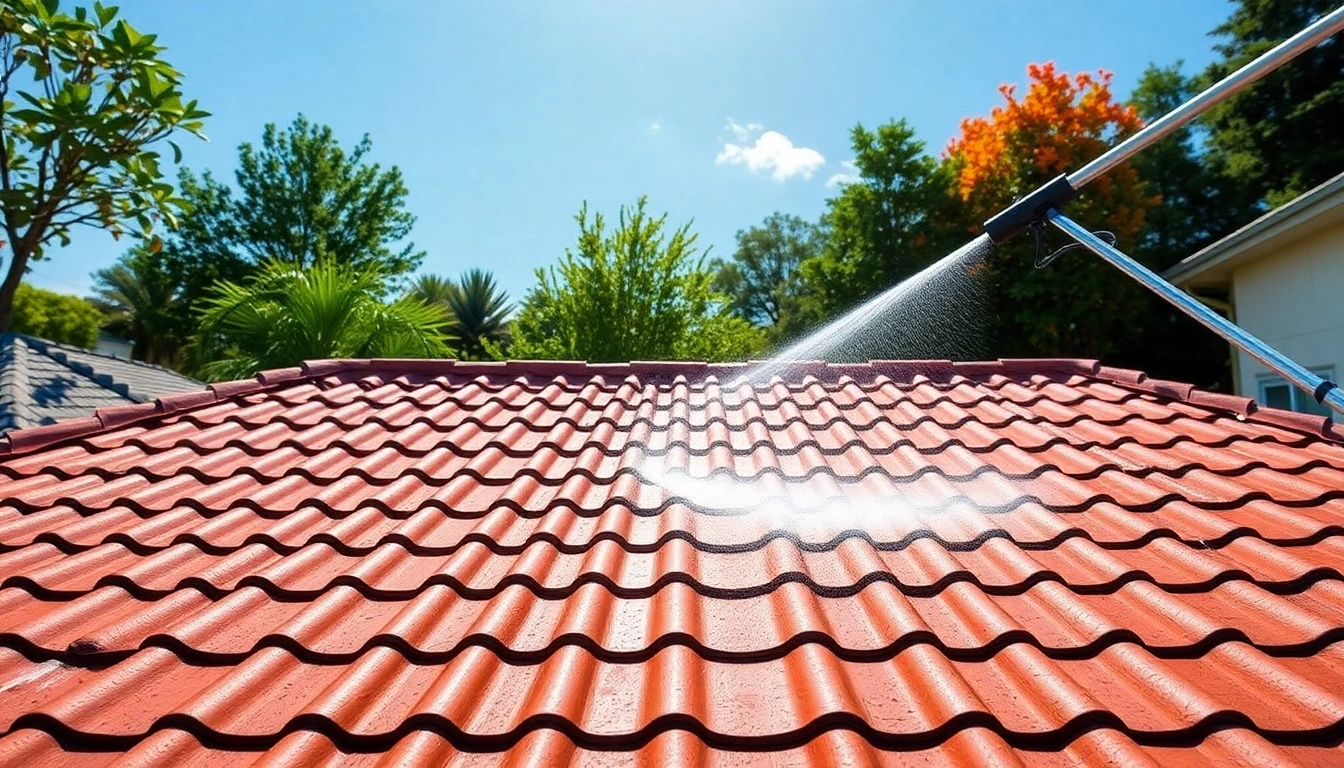
Introduction to Roof Cleaning
Your roof, often neglected in the home maintenance checklist, plays a crucial role in protecting your home. As one of the most visible features, a well-maintained roof not only adds aesthetic value but is integral in ensuring structural integrity. Roof Cleaning is more than just a cosmetic enhancement; it is an essential aspect of home upkeep that can extend the lifespan of your roofing materials significantly. In this guide, we delve into various facets of roof cleaning, ensuring you understand its importance, methods, and benefits.
What is Roof Cleaning?
Roof cleaning refers to the process of removing dirt, debris, algae, moss, and other contaminants from the surface of a roof. The techniques used can vary depending on the type of roof and the extent of the buildup of organic materials. Typically, this process involves low-pressure washing and the application of chemical solutions that can eliminate unwanted growths and stains without damaging the roofing material.
Importance of Regular Roof Cleaning
Engaging in regular roof cleaning is fundamental for several reasons. First, cleaning helps prevent the accumulation of moss and algae, which can trap moisture and lead to roof deterioration. Second, it can prolong the lifespan of your roof, as maintenance can mitigate the need for premature replacements. Moreover, a clean roof enhances your home’s curb appeal, often translating into higher property values. Lastly, it can prevent health hazards such as mold and mildew which can arise from organic buildup.
Common Roof Cleaning Techniques
There are several commonly employed techniques for cleaning roofs, each tailored for different types of roofs and levels of dirt accumulation:
- Soft Washing: This method uses a low-pressure spray combined with eco-friendly cleaning solutions. It effectively tackles organic growth without risking damage to the roofing material.
- Pressure Washing: Although it can be effective, high-pressure washing is not recommended for all roof types, particularly shingles, as it can dislodge the roofing material.
- Chemical Cleaning: This technique involves the application of specialized cleaning solutions to kill mold and algae. It often includes rinsing to remove residues.
Benefits of Professional Roof Cleaning
Enhanced Curb Appeal
A clean roof results in a far more attractive appearance, greatly enhancing your home's curb appeal. Whether you're preparing to sell your property or taking pride in home ownership, a sparkling rooftop can provide a significant visual upgrade.
Extending Roof Lifespan
Regular cleaning can contribute significantly to extending the lifespan of your roof. By preventing the growth of harmful organisms that can weather down roofing systems, roof cleaning can save homeowners the cost of early replacements.
Health Benefits of a Clean Roof
Besides aesthetic benefits, maintaining a clean roof can have health implications. Mold and mildew thrive in neglected areas, which can lead to respiratory issues for inhabitants. Regular cleaning alleviates these concerns, promoting a healthier living environment.
DIY Roof Cleaning vs. Hiring Professionals
When to Choose DIY Methods
Homeowners may opt for DIY roof cleaning methods for minor upkeep, such as light surface debris removal. If you feel confident using a ladder and handling basic tools, you can perform basic cleaning. However, always prioritize safety and consider your roof type before proceeding.
Benefits of Hiring Professionals
Hiring a professional roof cleaning service offers numerous advantages, including access to specialized equipment, expert knowledge of cleaning methods suitable for various materials, and safety protocols that protect both the worker and your property. Professionals can also often spot damages during the cleaning process, allowing for proactive repairs.
Risks Associated with DIY Roof Cleaning
Opting for DIY methods carries risks, including potential damage to your roof, personal injury from falls, and inadequate cleaning that may leave harmful residues behind. Furthermore, improper chemical use can exacerbate growth rather than eliminate it. Weigh these risks against the cost of hiring professionals to ensure you're making the right choice for your roof’s maintenance.
Understanding Roof Cleaning Costs
Factors Influencing Roof Cleaning Costs
Numerous factors can influence the cost of roof cleaning services:
- Roof Size: Larger roofs will naturally take longer to clean, leading to higher costs.
- Roof Type: Different materials require different cleaning techniques, impacting labor and equipment needs.
- Extent of Cleaning Required: Heavier damage or buildup will require more intensive cleaning measures, increasing the price.
- Location: Prices can also vary by region due to differing labor costs and availability of services.
Average Pricing in Different Regions
While prices can vary significantly, homeowners can expect the following average costs depending on the roof type and location:
- Asphalt Shingles: $300 to $600
- Metal Roofs: $500 to $1,200
- Tile Roofs: $700 to $1,500
- Flat Roofs: $300 to $800
How to Get Quotes from Companies
When seeking quotes from roof cleaning companies, it is advisable to request estimates from several service providers. Ensure the quotes specify the cleaning methods, warranties, and payment terms. Look for companies with good customer reviews and appropriate licensing to ensure quality service.
FAQs about Roof Cleaning
How often should I clean my roof?
Ideally, roofs should be cleaned every 1-2 years, or more frequently if you notice heavy moss or algae growth. Regular inspections can help determine the best cleaning schedule.
Is roof cleaning safe for all roof types?
Not all roof types can handle high-pressure washing. Materials like asphalt shingles require gentler methods like soft washing to prevent damage.
Does roof cleaning guarantee a longer lifespan?
While roof cleaning can help prolong the roof’s life by preventing damage, it does not guarantee an extended lifespan. Regular maintenance is essential for overall longevity.
What chemicals are used in roof cleaning?
Common chemicals include sodium hypochlorite and other mild detergents designed to kill algae and moss without harming the roof. Professionals use eco-friendly options to minimize environmental impact.
Can I perform roof cleaning myself?
While some homeowners may choose DIY cleaning for light tasks, professional services are often recommended to avoid damage and ensure effective cleaning methods are used.