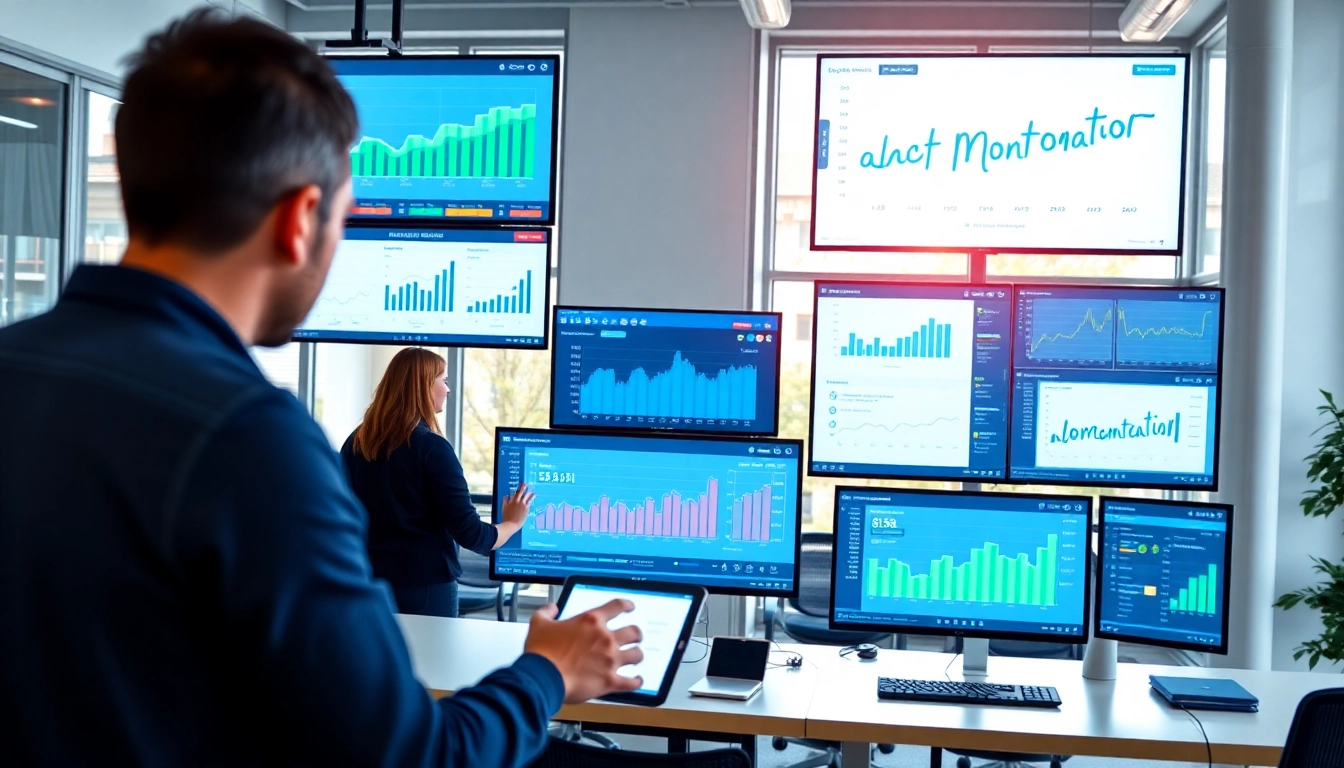
Understanding People Counting Software
Definition of People Counting Software
People counting software is a specialized technology used to measure and analyze the number of individuals entering or exiting a particular location. This software integrates with various hardware solutions, such as cameras and sensors, to facilitate accurate tracking of foot traffic in real-time. By utilizing advanced algorithms, it collects data that is crucial for organizations looking to optimize their operational strategies and enhance customer experience.
How People Counting Software Works
The operation of people counting software hinges on data collection through sensory inputs. These inputs can be video surveillance systems equipped with artificial intelligence capabilities, infrared sensors, or even laser counters. Once installed, these systems continuously monitor and count the number of people passing through designated entry and exit points. The collected data is then analyzed to generate actionable insights—such as peak hours of traffic, demographic trends, and patterns in customer behavior—enabling organizations to make informed decisions.
Types of People Counting Technologies
People counting technologies vary in nature and implementation. Broadly, they can be categorized as follows:
- Video-Based Systems: These systems use CCTV cameras paired with sophisticated analytics to detect and count people. They are particularly useful in multi-directional counting scenarios.
- Infrared Sensors: Infrared sensors work by detecting breaks in an infrared beam, providing a simple yet effective way to count individuals as they enter or exit a space.
- Lidar-Based Solutions: Using laser-based technology, Lidar offers highly precise counting capabilities, as it can track the movement of individuals in three dimensions.
- Mobile and Wi-Fi Tracking: This technology counts people based on their mobile device signals, providing insights into foot traffic patterns via anonymous mobile data.
The Benefits of People Counting Software
Improved Operational Efficiency
Implementing people counting software can significantly boost operational efficiency. By understanding peak visitor hours and traffic patterns, businesses can allocate resources more effectively. For example, retail stores can schedule more staff during busy periods and reduce operational costs during slower times. Such resource optimization contributes directly to enhanced profitability and streamlined business operations.
Data-Driven Decision Making
Data is a cornerstone of modern business strategy. People counting software provides actionable insights that guide strategic decisions. Organizations can utilize this data to evaluate marketing campaigns, adjust operational strategies, and enhance service offerings based on real-time foot traffic analytics. The insights derived from pedestrian traffic can lead to improved inventory management and optimized product placement within retail environments.
Enhanced Customer Experience
A better understanding of customer behaviors leads to heightened customer satisfaction. With data from people counting software, businesses can analyze customer flow and tailor their services accordingly. For instance, optimizing store layouts, managing queues effectively, and providing timely staff assistance when needed all contribute to a seamless shopping experience. Ultimately, this enhances customer loyalty and promotes repeat visits.
Choosing the Right People Counting Software
Key Features to Look For
When selecting a people counting software, it is vital to consider a number of key features:
- Accuracy: Look for systems that offer high accuracy rates (preferably over 95%) to ensure reliable data collection.
- Real-Time Analytics: Fast data processing capabilities enable businesses to act on insights almost immediately.
- Customization Options: A software that allows customization for reporting and analytics can better suit specific business needs.
- Integration Compatibility: Ensure the software can seamlessly integrate with existing systems such as CRM, POS, and other business management tools.
Comparing Pricing Models
Pricing structures for people counting software can vary significantly. Some may offer subscription models, while others may require a one-time purchase. Consider total cost of ownership, including installation and maintenance fees, to understand the complete financial commitment. Free trials or tiered pricing based on the required features can provide flexibility for businesses exploring different options.
Assessing User Reviews and Case Studies
User reviews and case studies are invaluable resources when evaluating people counting software. Look for feedback on user experience, customer support, and actual use cases demonstrating how the software has been successfully implemented in businesses similar to yours. High ratings and detailed positive experiences from current users can be strong indicators of a company's reliability and software effectiveness.
Implementing People Counting Software
Preparation for Installation
Before installation, proper planning is essential. Begin by identifying key locations for sensor deployment, ensuring these areas are high-traffic zones where data collection will provide the greatest insights. Following this, work closely with installation teams to guarantee that all systems are configured to maximize performance and accuracy.
Training Staff for Effective Use
Training staff is crucial for the successful adoption of people counting software. Employees need to be informed about how the software operates and how to interpret its data. Regular training sessions, coupled with accessible manuals and resource materials, can help ensure that staff are prepared to utilize the software effectively and contribute to continuous learning processes.
Integrating with Existing Systems
Integration is crucial when it comes to people counting software. Ensure that it can connect with existing systems such as customer relationship management (CRM), inventory management, and other analytics tools. A seamless integration allows for a more comprehensive view of business performance, enhancing the value of collected data.
Measuring Success with People Counting Software
Key Performance Indicators (KPIs)
To measure the success of implementing people counting software, establish key performance indicators (KPIs) that align with business goals. Common KPIs include total foot traffic, conversion rate, dwell time in-store, and occupancy levels during peak hours. Regularly monitoring these metrics can help gauge the impact on operational efficiency and customer experience.
Long-Term Monitoring and Adjustments
Continuous monitoring is essential for long-term success. Data analysis should be an ongoing process, allowing businesses to adapt strategies based on changing consumer behaviors. Setting aside time for quarterly reviews of collected data can yield insights that drive innovation and improvement.
Using Analytics for Future Planning
The insights gathered from people counting software serve not just immediate operational needs but can also aid future business planning. Use historical data to forecast trends, plan inventory more effectively, and adjust marketing strategies. This proactive approach can place businesses ahead of the competition and support sustainable growth.
FAQs
1. What is people counting software? It is a technology solution designed to measure and analyze the number of individuals entering and exiting a given area.
2. What are the average accuracy rates for people counting systems? Well-designed systems achieve between 90% to 98% accuracy under various conditions.
3. Can people counting software be integrated with other systems? Yes, many solutions allow seamless integration with existing business analytics and management systems.
4. What industries benefit from people counting software? Retail, hospitality, transportation, and event management sectors commonly leverage these technologies for improved insights.
5. Is there a free version of people counting software? Some developers offer limited free trials, but most comprehensive systems require purchase or subscription for full functionality.