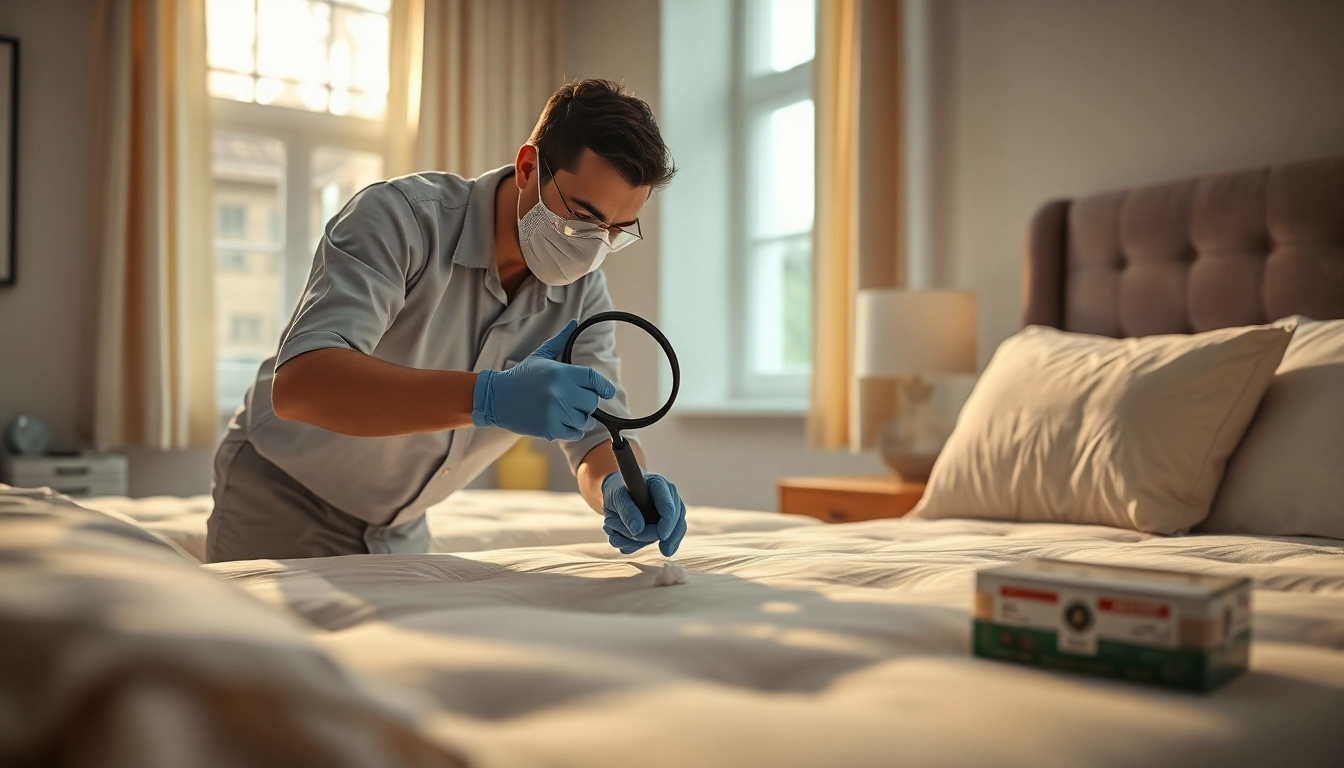
Understanding Bed Bug Infestations
Bed bugs are unwelcome guests that can disturb your peace of mind, causing discomfort and distress. These tiny, nocturnal creatures are adept at hiding and can quickly infest your home. Understanding bed bug infestations is crucial in taking effective action against them. This guide will delve deep into the nature of these pests, the signs of their presence, and effective methods for their removal, making it a comprehensive resource for anyone struggling with this problem. For expert solutions, look into professional bed bug removal services, which may provide the relief you need.
What Are Bed Bugs?
Bed bugs, scientifically known as Cimex lectularius, are small, wingless insects that feed on the blood of humans and warm-blooded animals. Adult bed bugs are about 0.25 inches long with a flat, oval body. Their coloration varies from reddish-brown to light tan, depending on whether they’ve recently fed. These pests are most active at night and can go several weeks without a meal, making them particularly resilient and difficult to eradicate.
Signs of a Bed Bug Infestation
Identifying a bed bug infestation can be challenging due to their elusive nature. Here are some common signs to look for:
- Bite Marks: Small, red, itchy welts may appear on your skin, usually in a line or cluster.
- Blood Stains: Tiny red spots may be found on bedding or carpets, indicating blood meals that have been disrupted.
- Dark Spots: These may be fecal matter left by bed bugs, often found in the creases of mattresses or furniture.
- Eggs and Shells: Tiny, oval-shaped eggs and molted skins can be found in hiding spots.
Understanding the Life Cycle of Bed Bugs
Bed bugs undergo a gradual metamorphosis, which includes several stages: egg, nymph (young bed bug), and adult. Here’s a brief overview of their life cycle:
- Eggs: Females can lay up to 5 eggs a day, which means a single infestation can spiral out of control quickly.
- Nymphs: After about a week, eggs hatch into nymphs, which begin feeding immediately. They molt several times before becoming adults.
- Adults: Bed bugs can live for several months in ideal conditions and can travel from one area to another, further spreading the infestation.
Professional Bed Bug Removal Methods
When faced with a bed bug infestation, many homeowners opt for professional removal methods. These approaches are not only thorough but are also designed to address more extensive or complicated infestations that DIY methods might not effectively handle.
Heat Treatments Explained
Heat treatment is one of the most effective methods of bed bug removal. This method involves heating your home to a temperature that is lethal to bed bugs, typically around 120°F (49°C) or higher. Special equipment is used to ensure even heat distribution, targeting all areas, including furniture and hard-to-reach spaces. One of the primary advantages of heat treatment is that it not only kills bed bugs at all life stages but also eliminates dust mites and bacteria, making it a comprehensive solution.
Chemical Extermination Techniques
Chemical treatments involve the use of insecticides that are specifically formulated to target bed bugs. Professional pest control services will choose effective, EPA-approved products that are safe for use in homes. These methods often require a multi-step approach, including:
- Initial Treatment: This usually involves applying chemicals applied in areas where bed bugs are found.
- Follow-Up Treatments: Additional sessions may be necessary to ensure that eggs and remaining nymphs are eradicated.
Advantages of Integrated Pest Management
Integrated Pest Management (IPM) is a holistic approach to managing bed bugs. It combines various strategies, including biological, physical, and chemical methods, to provide an effective solution. The benefits of IPM include:
- Targeted Actions: Responding to specific bed bug populations and minimizing pesticide use.
- Long-Term Results: Strategies that help prevent future infestations.
DIY Bed Bug Removal Techniques
For those keen on tackling bed bugs independently, there are several DIY methods. However, it’s essential to recognize that success often depends on the extent of the infestation and acting quickly and efficiently.
Effective Home Remedies
Some DIY remedies might help in controlling bed bugs, though they are typically not as effective as professional methods. Here are some popular options:
- Steam Cleaning: High-temperature steam can kill bed bugs on contact and is particularly effective on textiles.
- Essential Oils: Natural repellents like tea tree oil or lavender oil may deter bed bugs, though they should be used cautiously.
Preparing Your Home for DIY Treatments
Before implementing DIY solutions, preparation is key. Start by decluttering your space, washing bedding and fabrics in hot water, and vacuuming regularly. Ensure to dispose of the vacuum contents immediately to prevent reinfestation.
Common Mistakes to Avoid
While DIY efforts can be effective, several common pitfalls can undermine your results. Avoid the following mistakes:
- Neglecting Follow-Up: One treatment is rarely sufficient; follow up with inspections and additional treatments as needed.
- Ignoring Professional Help: When in doubt or if the infestation is severe, don’t hesitate to seek professional assistance.
Cost of Bed Bug Removal Solutions
The cost of bed bug removal can vary widely, influenced by several factors, including the severity of the infestation, the size of the treated area, and the methods employed. Understanding these variables can help you gauge the potential cost you might face.
Factors Influencing Bed Bug Removal Costs
Several factors contribute to the overall cost of bed bug removal, including:
- Infestation Level: Larger infestations typically require more extensive, and therefore more costly, treatment approaches.
- Method of Treatment: Using heat treatment is often more expensive than chemical repellents but may yield faster results.
Comparative Cost Analysis of Treatments
Here’s a general breakdown of typical cost ranges for different bed bug removal methods:
- Heat Treatments: $1,500 to $3,500 for full home treatment.
- Chemical Treatments: $300 to $1,000 depending on the size and severity of the infestation.
- DIY Solutions: Costs can be relatively low, around $50 to $200, depending on the products used.
Rental Equipment vs. Professional Services
When considering treatment options, you may ponder whether to rent equipment or hire professionals. Rental options may seem appealing due to lower costs. However, professional services usually ensure comprehensive treatment and follow-ups, which can save you time and potential costs in the long run.
FAQs About Bed Bug Removal
How can I tell if I have bed bugs?
Common signs include itchy bite marks on your skin, dark fecal spots on bedding, blood stains on sheets, and the presence of small, shed skins or eggs.
What is the best bed bug removal method?
Professional heat treatment is often regarded as the most effective method, but it will depend on the specific situation and level of infestation.
Are there any effective home remedies?
While some may find success using steam cleaning or essential oils, these methods are often less effective than professional treatments and may require multiple applications.
How much does bed bug removal typically cost?
Costs can range from $50 for DIY methods to over $3,000 for comprehensive professional treatments, depending on the infestation's size and severity.
How can I prevent future bed bug infestations?
To prevent reinfestation, regularly inspect and clean bedding, limit clutter, and ensure any new furniture or bedding is treated and inspected for pests.