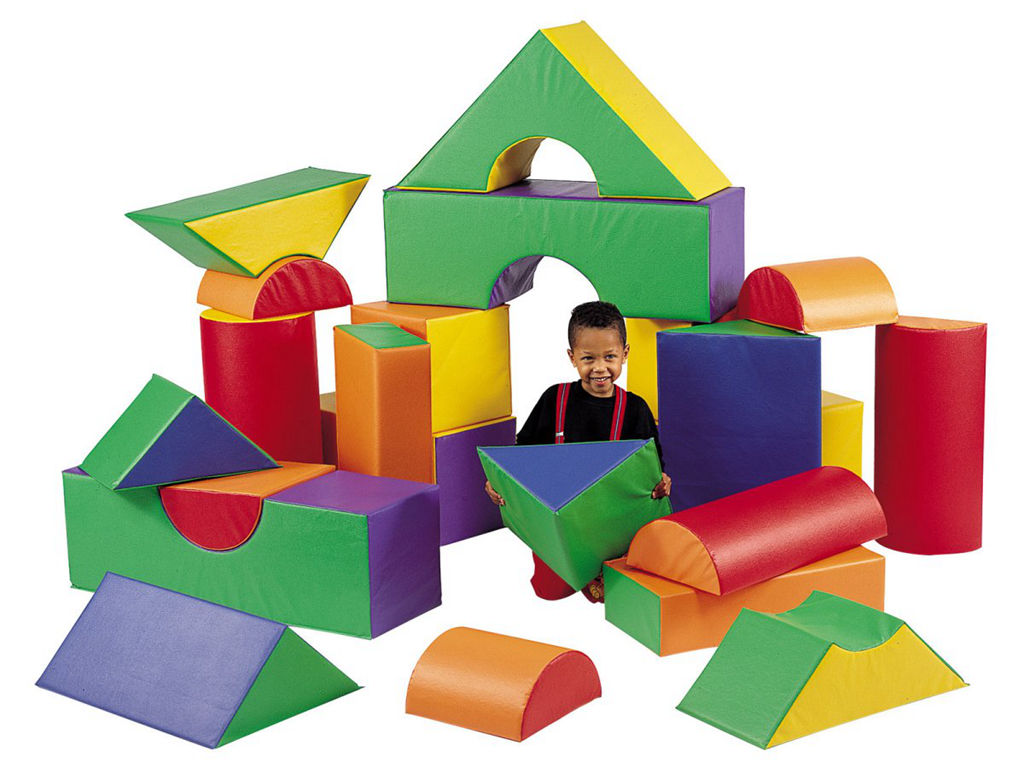
Introduction to Giant Building Blocks
Giant building blocks have become one of the most engaging toys for children, encouraging both play and learning. These oversized blocks, made from safe and durable materials, offer endless possibilities for creative construction. As children stack, build, and explore with these blocks, they not only have fun but also enhance multiple developmental skills. Whether in a school setting or at home, they provide a unique opportunity for kids to discover more about their imaginations and the world around them.
What Are Giant Building Blocks?
Giant building blocks are large-scale toys designed for children that come in various shapes, sizes, and colors. They are typically made from lightweight, child-safe materials like foam, plastic, or even wood, making them easy for young children to handle while ensuring safety during play. These blocks can range in size from a foot tall to even larger, allowing for the construction of impressive structures, from towering castles to expansive forts. The versatility of these blocks makes them suitable for various play scenarios, whether indoors or outdoors.
Benefits of Building with Large Blocks
Building with large blocks offers numerous advantages that support children's growth. Some of the key benefits include:
- Enhancement of Motor Skills: Manipulating large blocks improves fine motor skills and hand-eye coordination as children reach, grasp, and stack.
- Encouragement of Collaborative Play: These blocks often require teamwork, promoting communication and social skills among children.
- Boosting Confidence: Completing a structure gives children a sense of accomplishment, enhancing self-esteem and confidence.
- Boosting Problem-Solving Abilities: Kids learn to strategize and plan their builds, fostering critical thinking.
Perfect Materials for Safety and Durability
Choosing the right material for giant building blocks is crucial for safety and longevity. Common materials include:
- Foam: Soft and safe, foam blocks are ideal for younger children as they reduce the risk of injury. They are light and easy to handle.
- Plastic: Durable and weather-resistant, plastic giant blocks can withstand outdoor play and are easy to clean.
- Wood: Wooden blocks, while heavier, provide a natural feel and can be very durable if treated properly.
Encouraging Imagination Through Play
How Building Blocks Stimulate Creativity
One of the most significant aspects of play with giant building blocks is the stimulation of creativity. As children engage with these blocks, they are not limited by predetermined outcomes or instructions. Instead, they are encouraged to envision and realize their structures, expanding their thought processes and creativity. Whether mimicking real-world buildings or inventing fantastical structures, each build offers a fresh canvas for imagination.
Types of Structures Kids Can Create
The possibilities are nearly limitless when it comes to the types of structures children can design with giant blocks. Common creations include:
- Castles: Elaborate designs complete with towers and moats inspire imaginative play around knights and princesses.
- Bridges: Constructing bridges can lead to lessons in engineering as children learn about balance and support.
- Playhouses: Kids can create their own little hideaways for imaginative play, complete with pretend furniture.
Integrating Educational Concepts into Play
Play with giant building blocks can seamlessly integrate educational concepts. As children build and explore, they can learn about:
- Geometry: Different shapes can be identified, and concepts like area and volume can be introduced through building.
- Physics: Understanding balance, gravity, and forces can be demonstrated in practical ways as children experiment with their structures.
- Color Recognition: Sorting blocks by color introduces basic math skills while reinforcing visual learning.
Setting Up a Building Block Area
Choosing Your Space Wisely
A designated building block area can enhance the play experience. When selecting a location, consider:
- Space Size: A spacious area allows for larger constructions and free movement.
- Surface Type: A soft, flat surface, such as a carpet or foam play mat, can ensure safety and comfort.
- Accessibility: Ensure the area is easily accessible to children, promoting independent play.
Organizing Blocks for Easy Access
Efficient organization can enhance the building experience. Consider using:
- Bins and Baskets: Clear storage bins make it easy for children to see and access blocks.
- Labeling: Use labels to help children identify where different sizes or types of blocks are stored, fostering independence.
- Color-Coded Zones: Establish different building zones for various types of blocks which encourage organization and categorization.
Safety Measures for Indoor Play
Safety should be a primary concern when setting up a play area. Some measures include:
- Soft Landing Areas: Use rugs or mats to cushion falls and provide a comfortable play surface.
- Supervision: Adult supervision is essential, especially for younger children, to ensure safe play.
- Age Appropriateness: Select blocks that are suitable for the child's age to prevent accidents or choking hazards.
Games and Activities Using Giant Blocks
Collaborative Building Projects
One of the exciting aspects of giant building blocks is their ability to facilitate collaborative projects. Children can work together to create vast structures, learning teamwork and communication in the process. Activities could include:
- Group Challenges: Create specific challenges where teams compete to build the tallest structure or the most innovative design.
- Storytelling Builds: Incorporate stories into building projects where children narrate a tale while they build related structures.
- Architecture Days: Explore famous buildings and challenge kids to replicate those designs.
Block-Based Challenges and Competitions
Hosting friendly competitions can motivate children to engage creatively. Examples might include:
- Timed Challenges: Set a timer for how quickly teams can build given structures or designs.
- Design Competitions: Challenge children to create something unique within a specific theme or constraint.
- Peer Judging: Allow kids to rate each other's designs, fostering a sense of community and constructive feedback.
Incorporating Colors and Sizes in Games
Games can incorporate educational elements while still being fun. Consider:
- Color Sorting Games: Challenge children to build using only blocks of certain colors or to create patterns.
- Size Comparison: Introduce concepts of smaller and larger by having children use blocks of various sizes to create a project.
- Counting Games: Encourage children to count blocks as they build, reinforcing numerical concepts.
FAQs about Giant Building Blocks
What age group is suitable for giant building blocks?
Giant building blocks are generally suitable for children ages 3 and up, providing they are made from child-safe materials. Supervision is recommended for younger children.
How can building blocks enhance learning?
Building blocks enhance learning by promoting creativity, problem-solving, and fine motor skills, all of which contribute to cognitive development and spatial reasoning.
Are giant blocks environmentally friendly?
Many giant blocks are made from eco-friendly materials, such as recycled plastics or sustainably sourced wood. Check the packaging for specific information.
What are the best practices for block maintenance?
Regular cleaning with mild soap and water is recommended. For foam blocks, let them air dry to prevent mold from developing.
Can giant building blocks be used outdoors?
Yes, many giant building blocks are designed for outdoor use. Ensure that they are made from weather-resistant materials if you plan to use them outside.