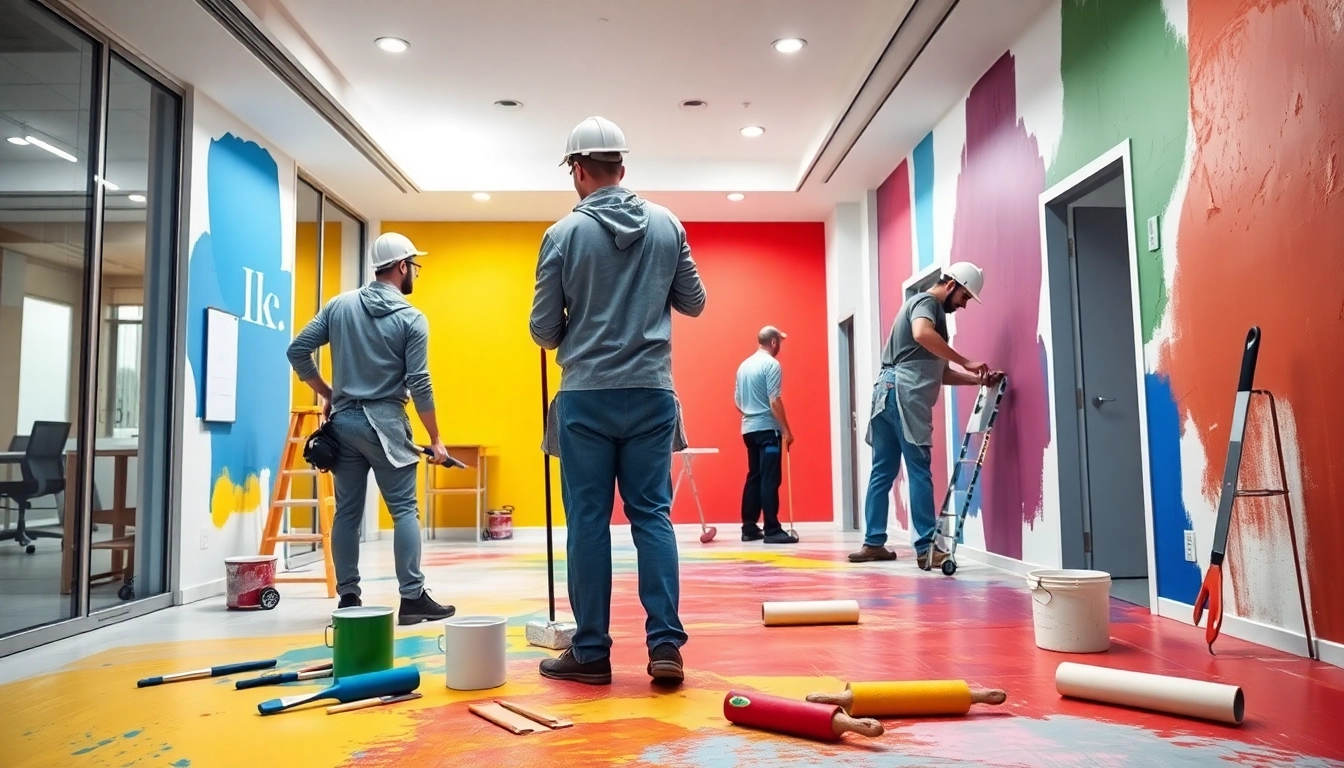
Understanding Commercial Painting and Its Importance
What is Commercial Painting?
Commercial painting refers to the process of applying paint to commercial properties such as offices, retail spaces, schools, hospitals, and other businesses. Unlike residential painting, which primarily focuses on homes, commercial painting demands a more strategic approach due to the unique requirements of business environments. Proper preparation, adherence to safety standards, and understanding of different materials and finishes are essential components that define this specialized service.
Benefits of Professional Commercial Painting
Investing in commercial painting brings numerous advantages. Firstly, it enhances the aesthetic appeal of a business, making it more inviting to clients and employees alike. A well-painted establishment projects professionalism and attention to detail, which can significantly influence first impressions. Secondly, quality painting can protect surfaces from damage and prolong the life of walls and ceilings, ultimately contributing to cost savings in maintenance and repairs over time. Furthermore, a fresh coat of paint can improve employee morale, fostering a productive work environment. Lastly, professional painters possess the skills and expertise necessary to complete projects efficiently, ensuring minimal disruption to business operations.
How Commercial Painting Affects Business Image
The image of a business is paramount, and commercial painting significantly contributes to it. Bright, engaging colors can attract customers and set the tone for the establishment, while a dull facade might deter potential clients. Colors invoke emotional responses, and a thoughtful color palette tailored to the business's brand can enhance recognition and loyalty. For instance, professional service firms often opt for muted colors that convey stability and trust, while retail outlets may choose vibrant tones to stimulate excitement and engagement. A well-executed paint job indicates a commitment to excellence, which can positively influence customer perception and brand identity.
Types of Commercial Painting Services
Interior vs. Exterior Commercial Painting
Interior and exterior commercial painting serve distinct purposes but are equally important. Interior painting focuses on enhancing the aesthetic appeal and functionality of the business space. It involves selecting appropriate colors and finishes that align with the brand identity and the nature of the business. On the other hand, exterior commercial painting plays a critical role in protecting the building from environmental elements such as rain, sun, and wind. It requires careful consideration of weather-resistant paints and finishes that can withstand the test of time. Both types of painting require different techniques, tools, and expertise to ensure quality outcomes.
Specialty Coatings in Commercial Painting
Specialty coatings are an integral part of commercial painting that extend beyond traditional paint. These include epoxies, urethanes, and anti-graffiti coatings designed for specific environments. For example, epoxy coatings are often used in warehouses and industrial settings due to their durability and resistance to chemicals. Likewise, anti-graffiti coatings allow businesses to maintain a clean exterior by enabling easy removal of graffiti without damaging the underlying surface. Understanding the specific needs of a commercial space helps in choosing the right specialty coatings that ensure longevity and performance.
Choosing Eco-Friendly Options
As businesses become more environmentally conscious, the demand for eco-friendly painting options rises. Eco-friendly paints are formulated with low volatile organic compounds (VOCs), minimizing harmful emissions during application. These paints not only promote a healthier indoor environment but are also better for the planet. Implementing sustainable practices, such as choosing non-toxic paints and responsibly disposing of waste, further reinforces a business's commitment to environmental responsibility. This choice not only enhances the workplace atmosphere but also appeals to a growing demographic of eco-conscious consumers.
Key Considerations for Your Commercial Painting Project
Assessing Your Space and Needs
Before embarking on a commercial painting project, it is crucial to assess the space and understand the specific needs of the business. Analyzing factors such as existing conditions, ambient light, and usage patterns can guide decisions on color selection, paint types, and finish quality. A thorough assessment also involves identifying areas that require repair or prep work, ensuring that the final outcome meets expectations. Engaging employees in this phase can provide insights into preferred color choices and styles, ultimately fostering a collaborative environment.
Budgeting for Commercial Painting
Budgeting for commercial painting is a vital step that can impact project outcomes. When setting a budget, consider not just the costs of paint and materials, but also labor, preparation, and any necessary repairs. Aim to get multiple quotes from reputable contractors to ensure competitive pricing. While it's important to remain within budget, remember that quality should never be compromised for cost savings. Allocating a small contingency fund for unexpected expenses can also prevent budget overruns and ensure project continuity.
Picking the Right Colors and Finishes
Choosing color schemes and finishes is a critical decision that can determine the overall success of a commercial painting project. Colors should reflect the brand image and align with psychological principles associated with color theory. For instance, blue often conveys trust and professionalism, while yellow can stimulate creativity and energy. Additionally, finishes can influence the look and durability of painted surfaces. Matte finishes hide imperfections but may not be as durable, while gloss finishes are easier to clean but can show more flaws. Balancing aesthetics with practicality is key to making the right choice.
Finding and Working with Commercial Painting Contractors
How to Select the Right Contractor
Finding the right contractor for commercial painting requires careful consideration. Start by researching potential contractors, checking their credentials, and reviewing their portfolios to assess the quality of their work. Look for contractors with experience in commercial projects similar to yours, as they will be familiar with the unique challenges and requirements involved. Additionally, seek out reviews and testimonials from previous clients to gauge their professionalism and reliability.
Questions to Ask Before Hiring
Before finalizing your choice of contractors, ask important questions to ensure alignment with your project needs. Inquire about their experience with commercial painting, the types of materials they use, and whether they have the necessary licenses and insurance. It’s also beneficial to ask about their processes for safety, project management, and timelines. Understanding their warranty policies ensures you’re protected against any potential issues after project completion.
Managing the Painting Process Effectively
Once a contractor is selected, effective management of the painting process is essential for a smooth execution. Establish clear communication channels to ensure that all parties are on the same page regarding project expectations. Regularly check in on progress, address any concerns promptly, and be open to feedback from the contractors. A collaborative approach can significantly enhance the success of the project. Additionally, it's vital to schedule the painting during off-hours or periods of low activity to minimize disruption to business operations.
Measuring Success: Post-Project Evaluation
How to Inspect the Quality of Work
After the completion of your commercial painting project, conducting a quality inspection is crucial to ensure the work meets the expected standards. Check for even coverage, consistent color, and the integrity of finished surfaces. Inspect for any drips, streaks, or missed spots, and ensure that all areas have been addressed according to the agreed scope of work. Involving your contractor in this evaluation can facilitate discussions about any necessary corrections, ensuring that all work is finalized to satisfaction.
Long-Term Maintenance Tips
To maximize the life of your newly painted surfaces, implementing a regular maintenance routine is essential. This may include routine cleaning, touch-ups, and periodic inspections to catch any imperfections early. Different surfaces may require specific care, so consult your contractor for recommendations tailored to the materials used. Additionally, schedule a repainting project every few years, or sooner if required, to keep the appearance fresh and inviting.
Gathering Feedback from Employees and Clients
Soliciting feedback from employees and clients post-project is instrumental in understanding the impact of the commercial painting. Their responses can provide valuable insights into how the new look affects their interactions with the space and can lead to further improvements. Conduct surveys, hold discussions, or invite comments on the aesthetic changes to gauge overall satisfaction. This engagement not only reinforces your commitment to quality but also promotes a positive workplace culture.
FAQs
1. What surfaces can be painted in commercial spaces?Almost all surfaces, including walls, ceilings, doors, and even floors, can be painted. Selecting surface-specific paints are essential for optimal results.
2. How long does a commercial painting project typically take?The duration depends on the project size and complexity. On average, a project may take anywhere from a few days to several weeks.
3. Do I need permits for commercial painting?Permitting requirements vary by location and scope of work. It’s advisable to check local regulations or consult with your contractor.
4. Can I remain open during the painting process?Yes, many contractors work during off-hours or set specific disruption-limited schedules to ensure minimal impact on operations.
5. What should I do if I notice imperfections after completion?Contact your contractor for a walk-through. Most reputable contractors will remedy any issues as part of their contract agreement.
Contact Information
Address:Branam Brushworks LLCCall Us:+12076168892